ServicesReverse Mortgages
Reverse Mortgages in Atlanta
A reverse mortgage lets borrowers 62 and older convert equity into cash without a monthly principal and interest payment. We walk you through how the loan balance grows, what you still owe each year, and we check in after closing so the loan stays in good standing.
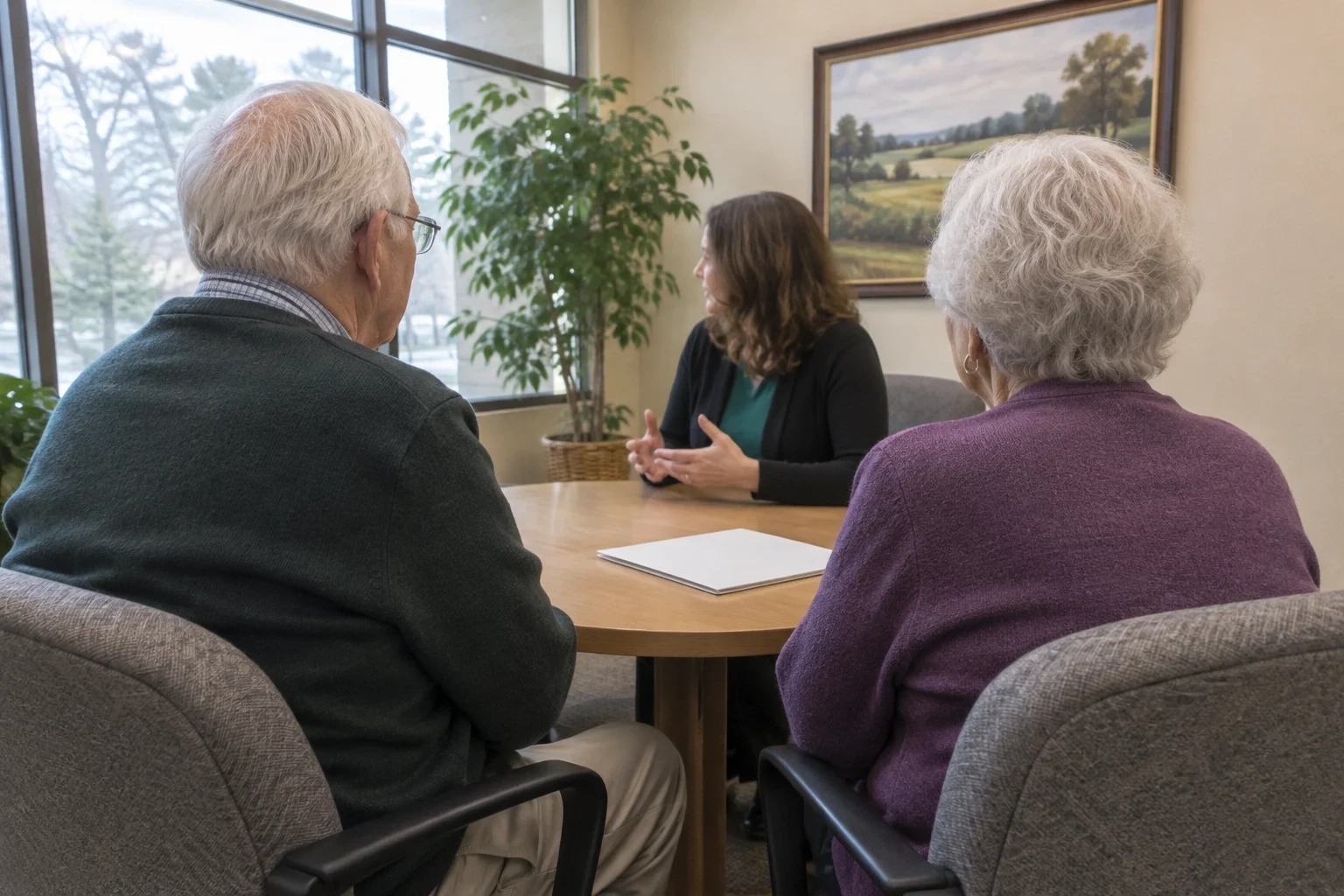
How a Reverse Mortgage Works
Most reverse mortgages are Home Equity Conversion Mortgages, or HECMs, a federal program backed through the FHA. Instead of you paying the lender each month, the lender pays you from your equity. Interest and mortgage insurance premiums are added to the balance, so the amount owed rises over time while the equity left shrinks. The loan is repaid when the last borrower sells, moves out for good or passes away, usually from the sale of the property.
The amount you can draw, called the principal limit, depends on three numbers: the age of the youngest borrower or eligible non-borrowing spouse, the appraised value up to the FHA lending limit, and the expected interest rate. Older borrowers and lower rates mean a larger principal limit. Any existing mortgage has to be paid off from the proceeds first.
It fits retirees who plan to stay put and want to free up cash flow or build a standby line of credit. It is a poor fit if you expect to move within a few years, because the upfront costs are spread over too short a stay.
What We Handle on a Reverse Mortgage
- Principal limit estimate
- We run your numbers using the youngest borrower's age, a realistic value and current rates. You see how much is available, how much goes to paying off an existing loan, and what is left.
- Payout option comparison
- We lay out the lump sum, monthly tenure or term payments, the line of credit, and combinations of these. We explain why an unused HECM line of credit grows over time, since the growth rate tracks the loan's interest rate plus the mortgage insurance rate.
- Counseling coordination
- Federal rules require a session with a HUD-approved counselor before you apply. We explain what the counselor will cover and help you get the certificate in place so the file can move.
- Financial assessment prep
- Lenders review credit history and residual income to confirm you can keep paying property taxes and insurance. If the numbers are tight, we explain the set-aside account that holds funds back for those bills.
- Spouse and heir planning
- We go over protections for a non-borrowing spouse and what heirs can expect, including their option to sell, refinance or pay off the balance.
Signs a Reverse Mortgage Deserves a Look
A mortgage payment is squeezing retirement income
Paying off a remaining loan with HECM proceeds removes that monthly payment. The money that went to the lender stays in your budget.
Most of your savings sits in the property
If you are equity rich but cash poor, a reverse mortgage reaches that value without selling or moving.
You want a cushion for later years
Opening a line of credit early and leaving it untouched lets the available amount grow, which can help cover future medical or care costs.
You plan to stay for the long term
The upfront mortgage insurance and closing costs make the most sense when you expect to live there for many years.
From First Call to Closing and After
- 1
Free consultation
We talk through your goals, ages, existing mortgage and rough value by phone, video or at our office. You get an honest answer on whether a reverse mortgage fits, or whether a HELOC or refinance would serve you better.
- 2
HUD counseling and application
You complete the counseling session, then we gather your income, asset and property documents and put the application and financial assessment together with you for the lender.
- 3
Appraisal and underwriting
An FHA appraiser values the property and notes any required fixes that must be handled before or after closing. Underwriting confirms title, taxes and insurance.
- 4
Closing and rescission period
You sign the loan documents, then a three-day right of rescission applies before funds are released. Existing liens are paid off first.
- 5
Follow-up after closing
We check back once funds arrive and explain how to keep the loan current: paying taxes and insurance on time, maintaining the property, and returning the yearly occupancy certification the servicer mails you.

What Moves the Cost of a Reverse Mortgage
A reverse mortgage costs more upfront than many forward loans, and most of those costs can be financed into the balance. What you pay over time depends on the rate, how much you draw and how long the loan stays open. We give you a written estimate so each charge is visible before you commit.
- Upfront mortgage insurance
- HECMs carry an initial FHA mortgage insurance premium based on the appraised value or lending limit, plus an annual premium that accrues on the balance.
- Fixed or adjustable rate
- A fixed rate generally requires taking the full amount as a lump sum. An adjustable rate allows the line of credit and monthly payment options, with interest accruing only on what you draw.
- Property value and lending limit
- Origination fees are tied to the value, and the FHA limit caps how much value counts toward your principal limit.
- Existing mortgage and set-asides
- Paying off a current loan and any required tax and insurance set-aside both reduce the cash available to you at closing.
Reverse Mortgage Questions
Something not covered here? (404) 882-6441
Do I give up ownership of the property?
No. You keep title and stay on the deed. The lender holds a lien, the same as with a regular mortgage, and the loan is repaid when the last borrower leaves the property permanently.
Can I owe more than the property is worth?
A HECM is a non-recourse loan. If the balance grows past the value, you or your heirs never owe more than the sale price, or 95 percent of the appraised value if heirs keep it. FHA mortgage insurance covers the gap.
What can cause a reverse mortgage to come due early?
Missing property tax or insurance payments, letting the property fall into serious disrepair, or living elsewhere for more than 12 consecutive months can trigger repayment. That is why our follow-up covers these obligations in plain terms.
What happens to my spouse if they are not on the loan?
An eligible non-borrowing spouse named at closing can usually remain in the property after the borrower passes away, as long as the loan terms are kept. They cannot draw new funds, so we plan for that in advance.
Are reverse mortgage payments taxable?
Loan proceeds are generally treated as borrowed money, not income. Ask a tax professional how it affects your situation, especially if you receive needs-based benefits.
Find Out What Your Equity Can Do
Bring your questions, your current mortgage statement and the ages of everyone on title. We will run the numbers with you and explain each payout option before you decide anything.