ServicesHome Purchase Loans
Home Purchase Loans in Atlanta
We match your income, credit and down payment to the purchase loan that fits, write a pre-approval sellers take seriously, and stay with you through closing. Once you have the keys, we check back to walk through your first statement and escrow account.

What a purchase loan covers, and when it fits
A purchase loan is the mortgage that pays the seller when you buy a house. The program behind it decides how much you need down, whether you pay mortgage insurance, and how much documentation underwriting asks for. We compare conventional, FHA, VA and USDA options side by side so you see why one costs less than another for your situation.
Most buyers lose time because they shop for houses before they know their real number. A pre-approval built from your actual pay stubs, tax returns and credit report sets a price ceiling you can trust, and it tells a listing agent your financing has already been checked.
Our work does not stop at the closing table. Most surprises show up months later, when the escrow account resets or a property tax bill changes. We call after closing to explain your loan documents, your escrow analysis and when mortgage insurance can come off.

What we handle on a purchase loan
- 01
Program comparison
We price the same purchase across the programs you qualify for and show the rate, monthly payment, mortgage insurance and cash to close for each. You pick with the numbers in front of you.
- 02
Written pre-approval
Your letter is based on verified income, assets and credit, not a quick estimate. We update it for each offer so the amount matches the price you are bidding.
- 03
Loan Estimate walkthrough
We go line by line through lender fees, title charges, prepaid interest and the escrow deposit. You know which costs are fixed and which can still change before closing.
- 04
Rate lock timing
We explain when to lock, how long the lock lasts and what an extension costs if the closing date slips.
- 05
Coordination to closing
We keep the appraiser, your agent and the closing attorney working from the same timeline, and we tell you early if underwriting needs another document.
- 06
Post-closing check-in
Once you move in, we review your first statement, explain the escrow account and note the loan-to-value point where private mortgage insurance can be removed.
Questions about Home Purchase Loans?
Call(404) 882-6441Signs it is time to talk about a purchase loan
You are touring without a letter
Sellers and agents often want a pre-approval with the offer. Without one, a strong bid can lose to a weaker one that is backed by verified financing.
Your lease renewal is coming up
A typical purchase takes several weeks from accepted offer to closing. Starting the loan conversation before you sign another year of rent keeps your options open.
You are unsure which program fits
FHA, conventional, VA and USDA treat credit scores, down payment and mortgage insurance differently. A side-by-side comparison usually settles it in one call.
Your income is not a simple W-2
Commission, overtime, self-employment and part-time income are counted under specific rules. Knowing how underwriting will read your income before you shop prevents a lower approval later.
Your down payment money is moving
Gift funds, retirement withdrawals and recent large deposits need a paper trail. We tell you how to document them before they cause a delay.
How a purchase loan moves from first call to keys
- 1
Free consultation
We talk through your income, debts, savings and target price by phone, video or at our office. You leave with a realistic price range and a list of documents to gather.
- 2
Documents and pre-approval
We pull credit, review pay stubs, W-2s or tax returns and bank statements, then issue a written pre-approval tied to a specific program.
- 3
Offer, appraisal and underwriting
Once your offer is accepted, we order the appraisal, lock your rate at the right time and clear underwriting conditions as they come in. You get plain updates instead of silence.
- 4
Closing
Purchases in Georgia close with an attorney, who handles the deed and the security deed. We send your Closing Disclosure at least three business days ahead so you can compare it to your Loan Estimate.
- 5
Post-closing follow-up
We check back once your first payment posts and again around the escrow analysis to explain any change in your payment and how to keep the loan in good standing.
What moves the cost of a purchase loan
Your total cost is the rate, the fees and the mortgage insurance added together over the time you keep the loan. Two buyers with the same purchase price can see very different numbers. These are the pieces that make the difference.
- Credit score and rate
- Pricing steps change at specific score bands, so a small score improvement can lower the rate. Paying discount points buys the rate down further in exchange for more cash at closing.
- Down payment and mortgage insurance
- Less than 20 percent down on a conventional loan usually adds private mortgage insurance. FHA charges an upfront premium plus a monthly one, and VA uses a funding fee instead.
- Third-party closing costs
- Title insurance, the attorney fee, the appraisal, recording charges and transfer tax are set by outside parties. We show each one separately on your estimate.
- Escrow for taxes and insurance
- Property taxes and hazard insurance premiums are collected monthly and prefunded at closing. Higher tax assessments or insurance quotes raise both your payment and your cash to close.
Purchase loan questions we hear most
How much do I really need for a down payment?
It depends on the program. Some VA and USDA loans allow zero down, FHA allows as little as 3.5 percent and some conventional loans allow 3 percent. You still need money for closing costs and prepaid escrow, so we calculate total cash to close, not just the down payment.
What is the difference between pre-qualification and pre-approval?
A pre-qualification is an estimate based on what you tell us. A pre-approval means we have pulled credit and reviewed your income and asset documents. Sellers give much more weight to a pre-approval.
Can my rate change once I am pre-approved?
Yes. Rates move daily until you lock. We usually lock after your offer is accepted, and we explain how long the lock lasts and what happens if closing is delayed.
How long does a purchase loan take to close?
Many purchases close in roughly 30 to 45 days from the accepted offer. Appraisal scheduling, a slow document return or a title issue are the usual causes of delay, and we flag them as soon as we see them.
What happens after closing?
Your loan may be serviced by a different company, and we tell you who and when. We check back to review your first statement and escrow account. If you live in the property, we also remind you to file for the Georgia homestead exemption, which can lower your property tax bill.
Should I look at a first-time buyer program instead?
If you have not owned in the past three years, you may qualify for options covered on our First-Time Homebuyer Loans page. We check those during the same consultation.
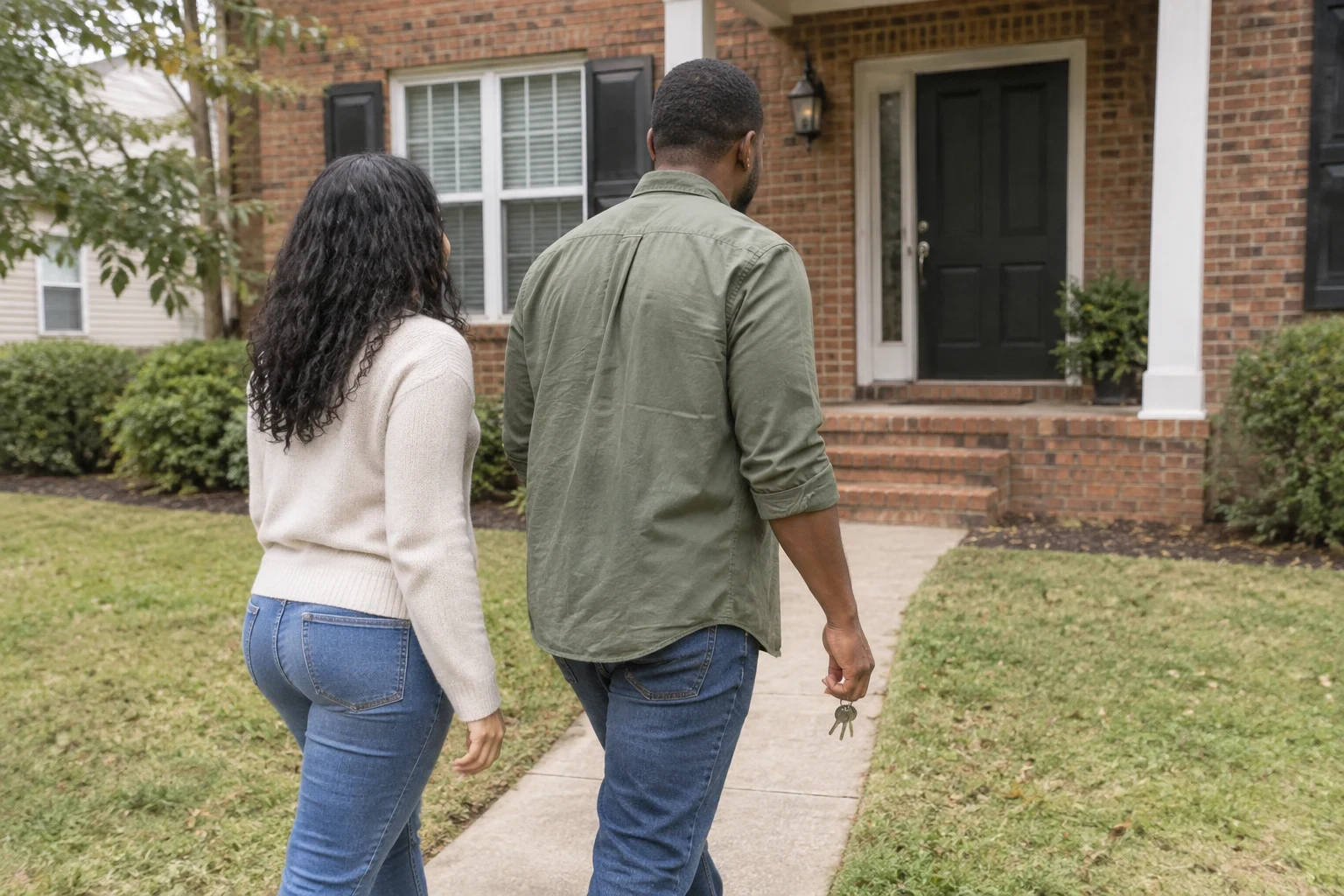
Know your number before you make an offer
One conversation gets you a realistic price range, the program that fits and a list of documents to start gathering. We stay in touch once the loan closes, too.